


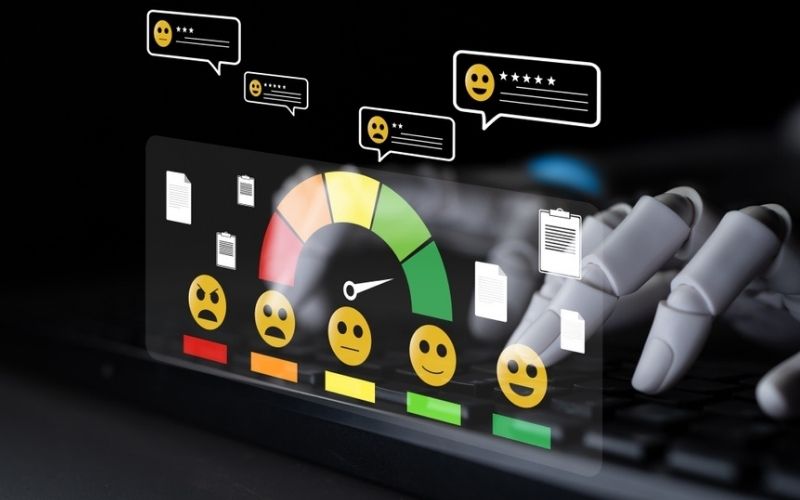
In 2026, customer experience is defined by how well a brand supports a customer the moment they lose confidence, hesitate, or feel overloaded. The best brands don’t drown people in touchpoints. They pay attention to their individual behaviour and use a blend of AI and human engagement to step in when it matters. Loyalty follows relevance, not promotions.
Why the 98% should matter more than the 2%
Most organisations spend heavily to drive traffic to their channels, but only a tiny fraction of those visitors ever convert. Depending on industry, only around 2–4% of website visitors complete a transaction, which means roughly 96–98% walk away without buying, subscribing, or booking, according to a Clevertap-study. The future of CX in 2026 is about activating the 98% – the hesitant, the overwhelmed, the nearly-ready.
Choice overload is one of the main reasons people drop out. Recent research highlights that 42% of consumers have abandoned a planned purchase because there was simply too much choice on the screen. 30% is likely to buy elsewhere, if product recommendations are not personalised.
The “Paradox of Choice” is no longer just a psychological concept – it shows up in conversion analytics, cart abandonment reports, and frustrated consumer surveys. Customers don’t leave because they are not interested. They leave because it has become too hard to complete their journey.
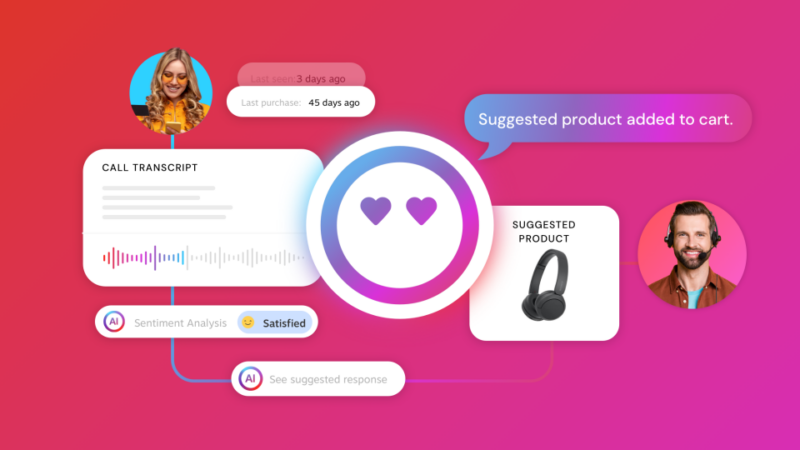
Values-driven support starts from this simple premise: make the buying journey easier. AI can tell when someone is stuck — spotting hesitation, narrowing choices, and simplifying decisions. When a customer’s behaviour signals they need reassurance or a real conversation, the handoff should be seamless: one click to speak to a human — chat, call, or guided video shopping — with someone who already understands their context. That’s where confidence returns, and decisions happen.
Listen, learn, act: revealing real customer intent
Leading brands are moving beyond static personas and historical segments. They bring their real-time data into one place, use AI to interpret what’s happening in the moment, and layer human insight on top to understand what customers are trying to do right now.
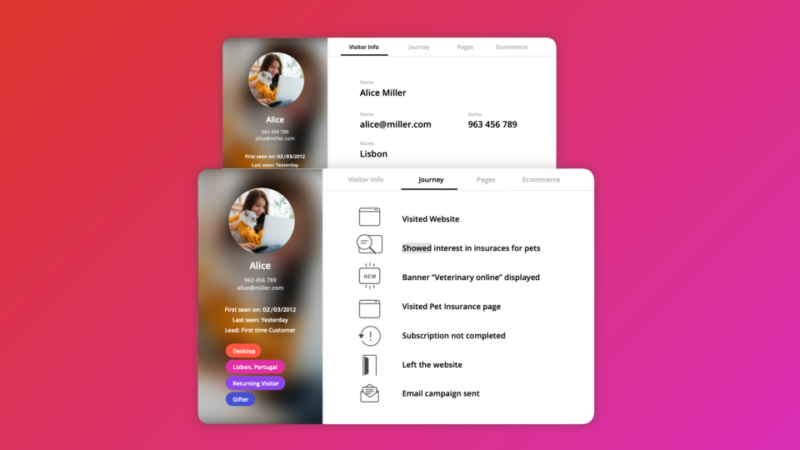
Behavioural data shows how visitors move: what they click, what they ignore, what they keep coming back to. Surveys, feedback prompts and call-centre transcriptions explain the “why” behind those actions – uncovering pain points, hidden motivations and points of friction. Together, these signals build a living picture of intent across thousands of visitors at once.
At the centre sit dynamic, unified customer profiles. These are not static records in a CRM; they’re continuously updated, enriched with behavioural, transactional and contextual signals: search terms, time on page, products viewed, previous purchases, service history, and channel preferences.
It’s less about tracking people and more about listening to them. When the tech quietly connects the dots across web, app, email and call centre, organisations can start anticipating needs in real time. For example, a visitor switching between phone plans may be signalling confusion. Instead of pushing promotions, the system surfaces a simplified comparison or offers a one-click chat with an advisor who already knows their pain points. The result is a form of customer-centricity that feels effortless from the outside – customers feel seen, understood, and ready to move forward.
Reduce complexity where it hurts most
If you ask customers directly why they didn’t complete a purchase, their answers are usually very specific:
- “I didn’t know what to pick. So many options.”
- “I wasn’t sure because one key piece of information was missing.”
- “Checkout felt confusing; I’ll do it later.”
These are not abstract CX problems. They are moments where someone who wanted to buy simply ran out of confidence.
AI-powered assistance can reduce complexity at exactly those moments:
- Conversational interfaces, configurators and product finders
Instead of making customers click through dozens of categories, guided experiences ask a handful of targeted questions and narrow the choices to a small, relevant set. The experience feels like a helpful salesperson, not a catalogue drop. - Next-best recommendations
Before a hesitant visitor leaves, AI can surface a small number of genuinely relevant alternatives – not a carousel of vaguely similar products. Relevance, not volume, keeps people engaged. - Contextual nudges and notifications
When someone stalls on a high-consideration product, a subtle prompt can highlight expert reviews, user stories or comparison tools. The goal is reassurance, not pressure.
Behind the scenes, models look for patterns and red flags: repeated back-and-forth between two product pages, long dwell time without interaction, or carts with high-value, high-complexity items that keep being abandoned. These are signals that someone needs a nudge or an intervention.
In values-driven organisations, this is balanced with consent and transparency. Collect only what’s needed, be clear about how data is used, always offer something of value in return – and verify every change with A/B and multivariate testing. AI suggests; experiments confirm.
Targeted empathy: when AI hands off to humans
The real shift in 2026 is not that AI can answer more questions. It’s that AI can decide when not to answer at all.
The lines between marketing, sales and service continue to blur. A customer researching kitchen appliances, a long-term insurance product, or checking electricity tariffs doesn’t distinguish between those departments. They expect one coherent experience – and, at some point, a human who understands the full context.
Lead-scoring models now use real-time signals – pages visited, forms started, products configured, items added (and re-added) to carts – to identify when someone is moving from curiosity to commitment.
That’s the moment to offer one-click access to a human:
- “Want to talk to a specialist about layout and installation?”
- “Need a five-minute walkthrough before you decide?”
- “Would you like to review these options with an advisor?”
This is targeted empathy: human attention directed to the few moments where it changes everything.
CoreMedia’s Experience Platform is one example of how this orchestration can work in practice. It combines content management with personalisation, automation, analytics and customer engagement capabilities in a single workspace. Real-time data and brand-aware AI help digital teams see what content performs, where visitors hesitate, and which journeys produce high-value leads – and then act instantly, without jumping between tools.
By connecting online behaviour with call-centre data, organisations remove blind spots in the journey and give agents the context they need: recent interactions, abandoned configurations, campaign history and service issues are visible in one place. AI augments those conversations – translating, transcribing, analysing tone, and suggesting next best actions – while humans handle the nuance.
No one needs a consultant to buy a candle. But when someone is investing in a new kitchen, refinancing a home or choosing healthcare, having an expert available at exactly the right moment can turn anxiety into confidence.
Stay with the customer, not just the session
Values-driven support doesn’t end when a session times out or a call finishes. The most effective brands continue the conversation – carefully.
Short, situational surveys (“What stopped you from completing your purchase?” at checkout; “Was anything unclear?” on a product page) create a feedback loop between design, data science and marketing teams. Combined with call-centre notes and human observations, they help prioritise fixes and refine journeys.
Omnichannel recovery workflows then use that insight to re-engage customers where they prefer to interact – email, SMS, messaging apps or phone – and let them pick up exactly where they left off. Recommendations, content and outreach are tailored to intent, not just to past behaviour.
Done well, this doesn’t feel like retargeting. It feels like continuity: the brand remembers the customer’s context, lowers the effort required to resume, and offers help that is clearly aligned with their goals.
AI-driven hyper-personalisation with a human touch
Hyper-personalisation is often described as an algorithmic achievement – the ability to tailor offers to 100% of traffic instead of the 2–4% who convert. In practice, its success depends on values.
In a values-driven support model:
- AI listens at scale, turning behaviour and feedback into actionable insight.
- Systems learn where complexity and doubt derail decisions.
- Humans act where empathy, reassurance and trust make the biggest difference.
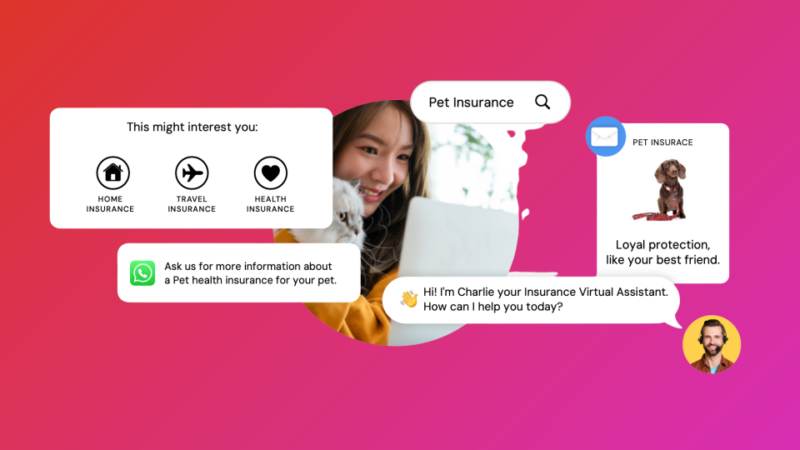
That’s hyper-personalisation in action: scalable AI insights combined with human empathy to make customers feel understood, supported – and ready to buy. In 2026, the brands that win loyalty won’t be the ones shouting the loudest or discounting the most. They’ll be the ones using AI to put their people exactly where customers need them most.